Rainy days are common in the Philippines, especially during the wet season. Because of this, many homeowners and businesses ask an important question: Do solar panels still work efficiently during rainy weather? The simple answer is yes. Solar panels continue to generate electricity even on cloudy and rainy days, making them a reliable renewable energy solution all year round.
In this article, we’ll explain how solar panels perform during the rainy season, why they remain effective, and how investing in solar energy can still help reduce electricity costs in Metro Manila and nearby areas.
How Solar Panels Work During Cloudy and Rainy Weather
Solar panels generate electricity using sunlight, not heat. Even when the sky is cloudy or raining, sunlight can still penetrate through the clouds. Modern solar panel systems are designed to capture both direct and indirect sunlight, allowing them to continue producing power throughout the day.
Although energy production may decrease compared to bright sunny days, solar panels can still produce around 10% to 50% of their normal output depending on weather conditions and system quality.
Why Solar Panels Remain Efficient in the Rainy Season
1. Modern Solar Technology Is More Advanced
Today’s high-quality solar panels are built with improved photovoltaic technology that performs better in low-light conditions. Many solar systems installed in the Philippines are specifically designed to handle tropical weather changes, including frequent rain and cloudy skies.
2. Cooler Temperatures Can Improve Performance
Many people think solar panels work best under extreme heat, but excessive heat can actually reduce efficiency. During rainy or cooler days, solar panels often operate at a better temperature, which can help improve overall performance.
3. Rain Helps Clean Solar Panels
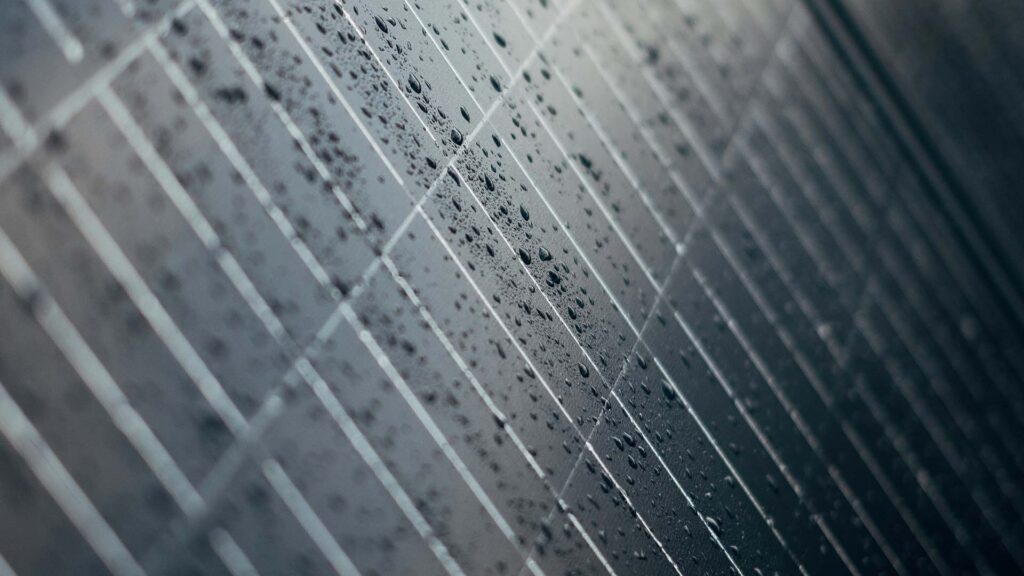
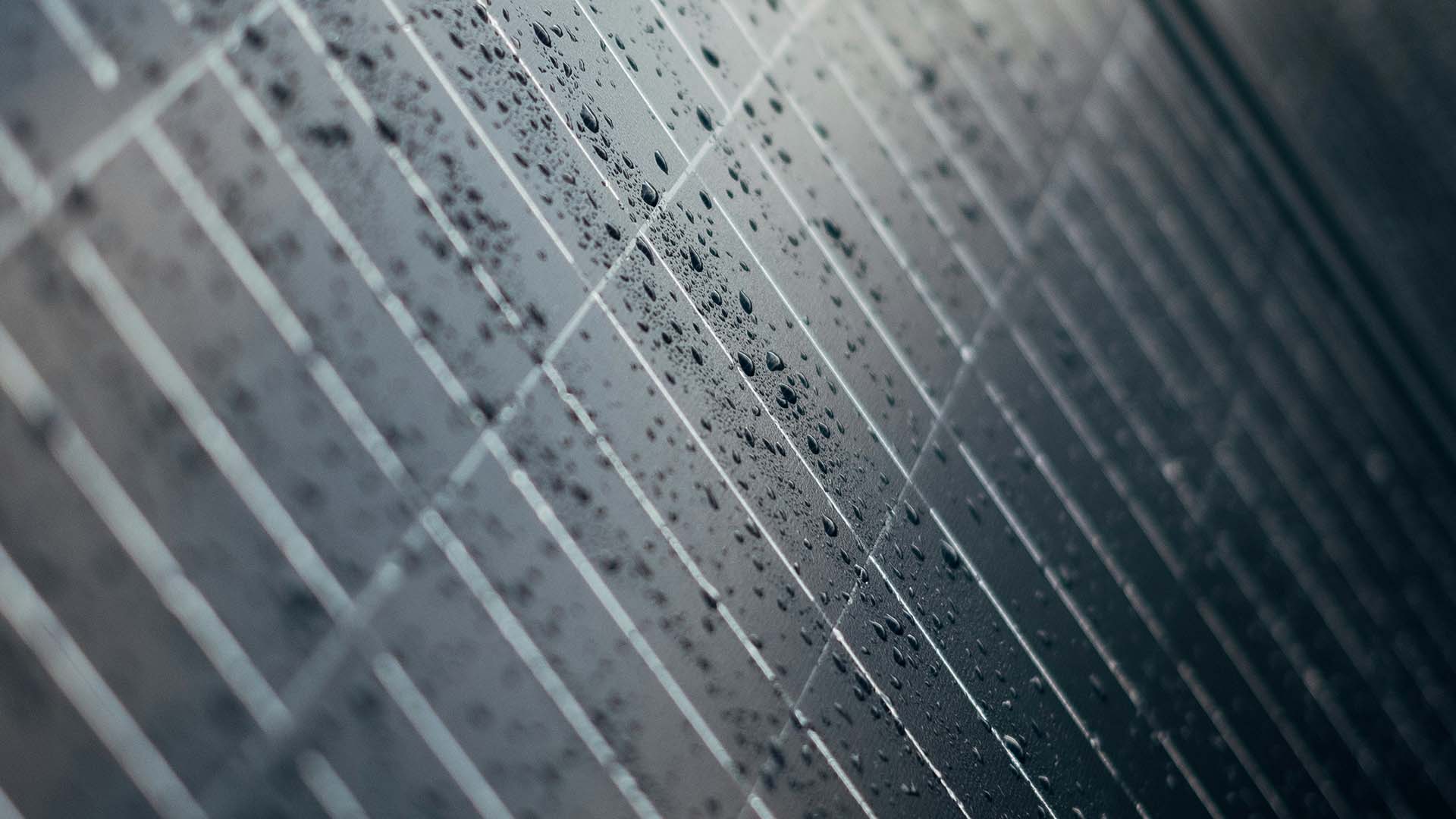
Rainwater naturally washes away dust, dirt, and debris that may accumulate on the surface of solar panels. Cleaner panels absorb sunlight more effectively, helping maintain consistent energy production over time.
4. Net Metering Helps Balance Energy Usage
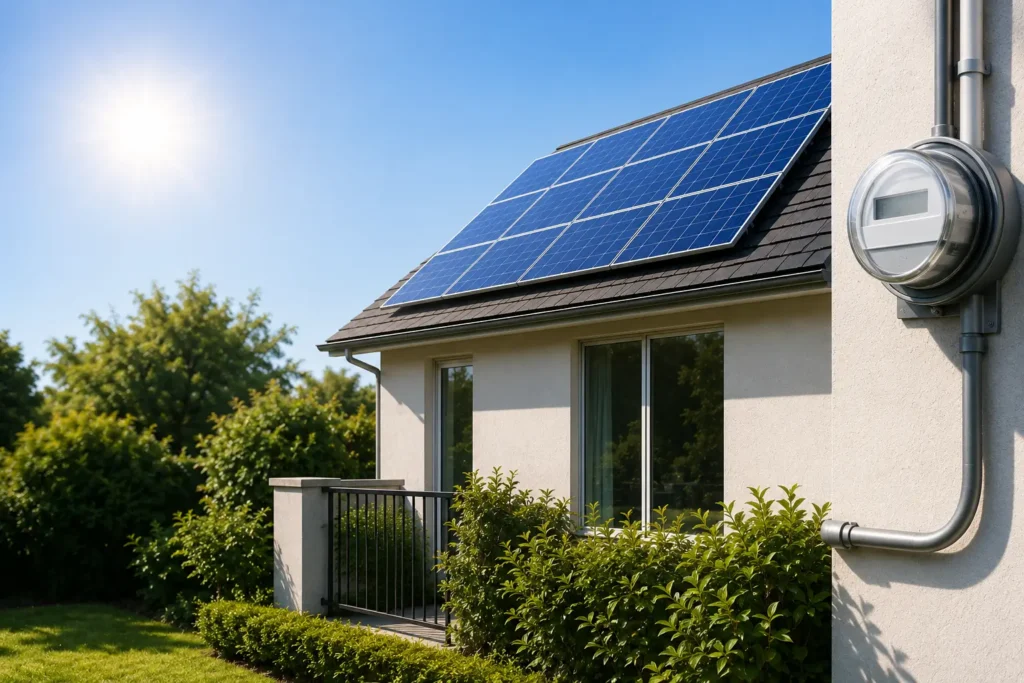
In the Philippines, many grid-tied solar systems use net metering. This means excess electricity generated during sunny days can be credited back to the grid, helping offset lower production during rainy periods.
Common Misconceptions About Solar Panels in Rainy Weather
“Solar panels stop working when it rains.”
This is false. Solar panels continue producing electricity even during rain and cloudy conditions. While output is lower, the system does not completely stop unless there is extremely poor weather or nighttime conditions.
“The Philippines is too rainy for solar energy.”
Despite having a rainy season, the Philippines receives abundant sunlight throughout the year. Metro Manila and many other regions still experience enough solar irradiance to make solar energy highly effective and cost-efficient.
“Rain can damage solar panels.”
Professional solar panels are designed to withstand harsh weather conditions, including heavy rain, strong winds, and storms. High-quality solar installations use durable materials with weather-resistant protection.
Tips to Maximize Solar Panel Efficiency During Rainy Season
Choose High-Quality Solar Panels
Investing in reliable solar brands ensures better low-light performance and long-term durability.
Work With Professional Solar Installers
Proper system design, positioning, and installation greatly affect solar efficiency during all seasons.
Monitor Your Solar System
Using a solar monitoring app helps track energy production and identify any performance issues quickly.
Keep Trees and Obstructions Away
Even during cloudy weather, minimizing shade can help maximize energy generation.
Is Solar Energy Still Worth It in the Philippines?
Absolutely. Solar panels remain a smart investment despite seasonal weather changes. Over the course of a year, the Philippines receives enough sunlight to generate significant savings on electricity bills. Many homeowners and businesses in Metro Manila are already benefiting from lower energy costs and more sustainable power through solar installation.
By combining sunny-day production with efficient modern technology, solar energy systems continue delivering reliable performance even during the rainy season.
Invest in Reliable Solar Panel Installation in Metro Manila
If you are considering switching to solar energy, choosing an experienced solar supply and installation company is essential. A properly designed solar system can provide long-term savings, energy efficiency, and dependable performance rain or shine.
Whether for residential or commercial use, solar panels are a practical and eco-friendly solution for reducing electricity costs in the Philippines.
Ready to install solar panels for your home or business? Contact our team today for professional solar supply and installation services in Metro Manila.